

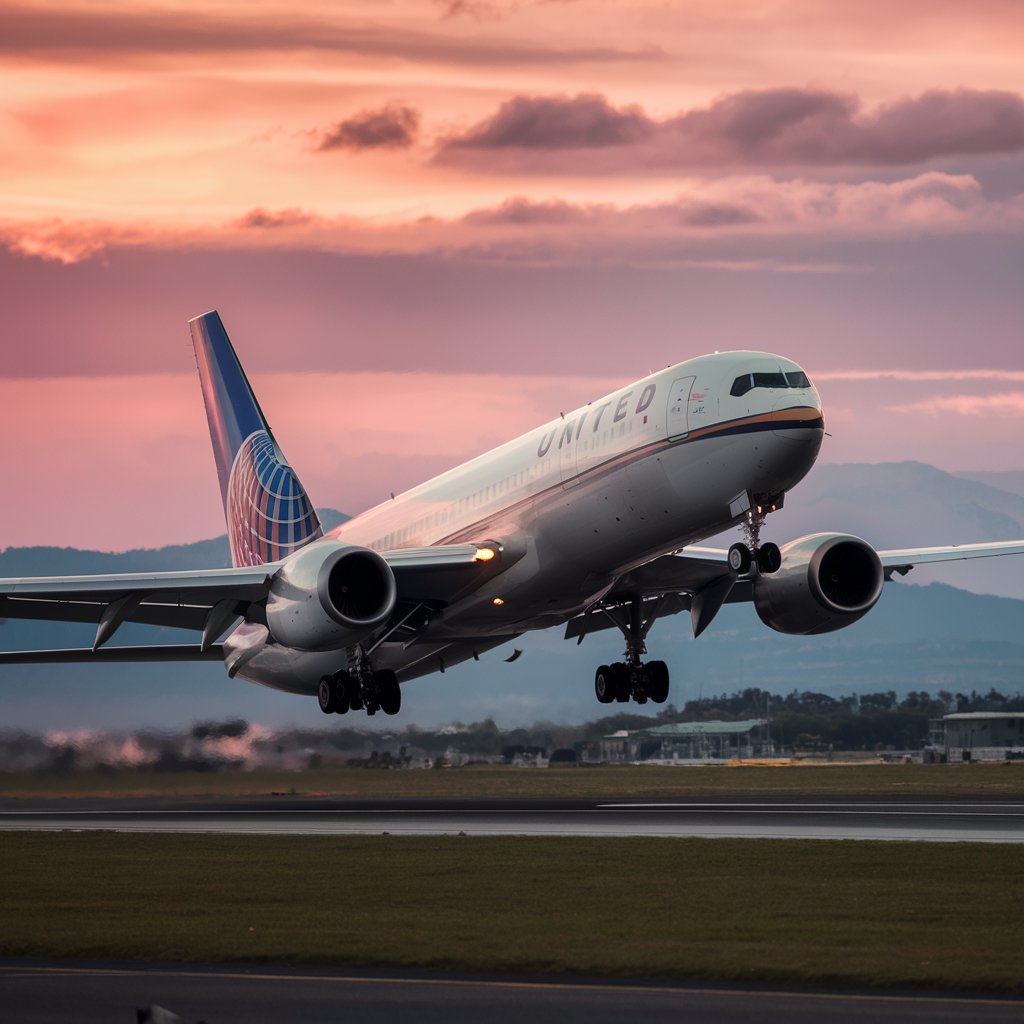
We present a comprehensive, fact-driven examination of the United Airlines Flight UA770 emergency diversion, an incident that captured global attention and highlighted the complexity, professionalism, and resilience of modern commercial aviation. Emergency diversions are rare events, yet when they occur, they underscore the rigorous safety protocols airlines follow to protect passengers, crew, and aircraft. This in-depth article delivers a clear timeline, technical context, operational response, and passenger impact analysis, providing authoritative insight into how such situations are managed at the highest industry standards.
Overview of United Airlines Flight UA770
United Airlines Flight UA770 was operating as a scheduled commercial service when the flight crew made the critical decision to initiate an emergency diversion. Such decisions are never taken lightly. They are guided by standardized procedures, real-time aircraft data, and coordination with air traffic control and airline operations centers. The diversion of UA770 reflects a proactive safety-first approach designed to mitigate risk and ensure the well-being of everyone on board.
Commercial aircraft are equipped with sophisticated monitoring systems that detect even minor irregularities. When flight data suggests a potential safety concern—whether mechanical, medical, or environmental—the crew is trained to act decisively. UA770’s diversion stands as an example of these systems working exactly as intended.
Timeline of the UA770 Emergency Diversion
The timeline of events surrounding United Airlines Flight UA770 provides crucial context into how quickly and efficiently the situation was managed.
Shortly after reaching cruising altitude, flight deck indicators alerted the pilots to an abnormal condition requiring further evaluation. Following established protocol, the crew cross-checked system readings and consulted operational manuals. Within minutes, communication was established with United Airlines’ operations control center and relevant air traffic control authorities. After a thorough assessment, the captain declared an emergency and requested clearance to divert to the nearest suitable airport.
From detection to decision, the process was methodical and disciplined. The aircraft descended in a controlled manner, maintaining constant communication with ground controllers. Emergency services were pre-positioned at the diversion airport as a precautionary measure, ensuring immediate response capability upon landing.
Possible Causes Behind the Emergency Diversion
While airlines often refrain from releasing immediate technical specifics, emergency diversions typically fall into several well-documented categories. These include mechanical system alerts, medical emergencies involving passengers or crew, cabin environmental concerns, or external factors such as weather or airspace restrictions.
In the case of United Airlines Flight UA770, early reports indicated a technical alert that warranted further inspection on the ground. Modern aircraft are designed with redundancy, meaning a single system alert does not necessarily imply imminent danger. However, aviation philosophy prioritizes prevention over reaction. Diverting early allows maintenance teams to inspect and resolve any issue under controlled conditions, avoiding unnecessary escalation.
Flight Crew Decision-Making and Training Standards
The professionalism displayed by the UA770 flight crew is rooted in extensive training and recurrent simulation exercises. Airline pilots undergo regular evaluations that include emergency scenarios, system failures, and high-pressure decision-making drills. This ensures that responses are calm, coordinated, and aligned with international aviation regulations.
In-flight emergencies demand situational awareness, clear communication, and leadership. The captain and first officer work as a unified team, dividing tasks between aircraft control, systems management, and external communication. The UA770 diversion exemplifies the effectiveness of Crew Resource Management, a cornerstone of aviation safety culture.
Aircraft Systems and Built-In Safety Redundancy
Modern United Airlines aircraft operate with multiple layers of redundancy across critical systems. Engines, avionics, hydraulics, and electrical components are designed so that a single failure does not compromise flight safety. When an alert occurs, it often reflects the system doing its job—detecting anomalies before they evolve into serious issues.
For Flight UA770, the alert triggered a precautionary response. This does not equate to a loss of control or imminent hazard. Instead, it demonstrates how aircraft continuously self-monitor, allowing crews to make informed decisions well before safety margins are reduced.
Passenger Experience During the UA770 Diversion
From a passenger perspective, an emergency diversion can be unsettling. United Airlines’ cabin crew followed established communication protocols, providing timely updates and reassurance. Clear instructions, calm demeanor, and transparency help maintain order and reduce anxiety during unexpected situations.
After landing, passengers were safely disembarked and assisted by ground staff. United Airlines arranged accommodations, rebooking options, and customer support to minimize disruption. Such post-diversion logistics are an essential part of airline operations, reflecting a commitment to customer care even under challenging circumstances.
Role of Air Traffic Control and Emergency Services
The successful diversion of United Airlines Flight UA770 was not solely the result of onboard actions. Air Traffic Control (ATC) played a vital role by prioritizing the aircraft, clearing airspace, and coordinating with the diversion airport. Emergency services, including fire and medical teams, were placed on standby as a precaution, ensuring rapid response capability.
This level of coordination highlights the interconnected nature of aviation safety. From cockpit to control tower to runway, every element operates within a unified framework designed to handle anomalies efficiently and safely.
Post-Landing Inspection and Maintenance Protocols
Once UA770 landed safely, the aircraft was handed over to United Airlines’ maintenance engineers for a comprehensive inspection. Maintenance teams follow strict procedures outlined by manufacturers and aviation authorities. Data from the flight, including system logs and sensor readings, is analyzed to identify the root cause of the alert.
Only after the issue is fully resolved and the aircraft meets all airworthiness requirements is it cleared to return to service. This meticulous process ensures continued safety for future flights and reinforces public confidence in airline operations.
What the UA770 Diversion Means for Aviation Safety
Incidents like the United Airlines Flight UA770 emergency diversion reinforce a critical truth: aviation safety is built on caution, preparation, and transparency. Diversions are not failures; they are deliberate safety actions. Each event contributes to a growing body of operational data that airlines and regulators use to refine procedures, enhance training, and improve aircraft design.
For passengers, understanding this context helps reframe diversions as evidence of a system that prioritizes human life above schedules or convenience. The industry’s willingness to divert proactively is one of the reasons commercial aviation remains one of the safest modes of transportation worldwide.
United Airlines’ Commitment to Operational Excellence
United Airlines operates under stringent oversight from aviation authorities and adheres to international safety standards. The handling of Flight UA770 demonstrates a commitment to operational excellence, from cockpit decision-making to passenger care and maintenance integrity. Continuous investment in technology, training, and safety culture ensures that United remains prepared for any operational challenge.
Conclusion
The United Airlines Flight UA770 emergency diversion stands as a clear example of modern aviation safety in action. Through disciplined crew response, advanced aircraft systems, seamless coordination with air traffic control, and comprehensive post-landing procedures, the incident concluded without injury or escalation. Such events, while disruptive, reaffirm the effectiveness of global aviation safety frameworks and the professionalism of those who operate within them.