

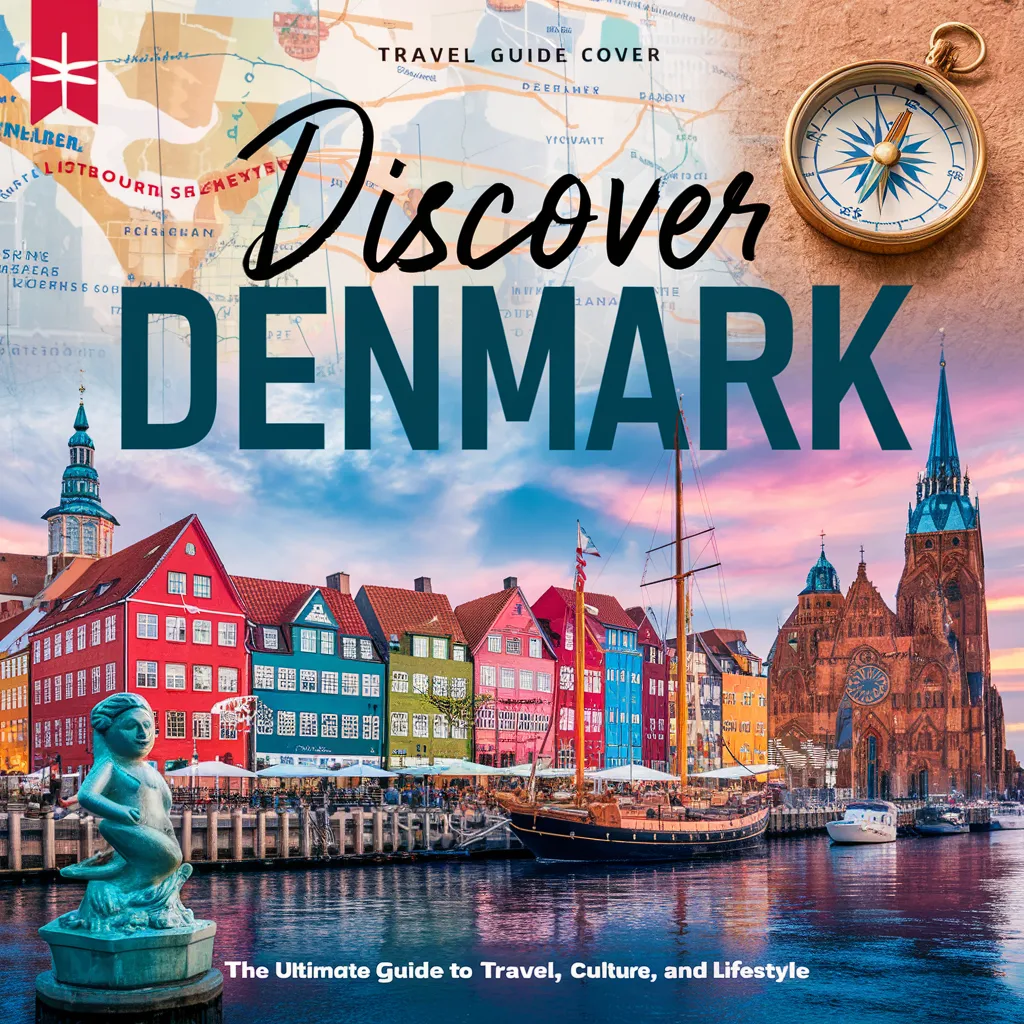
Denmark, often referred to as the “Land of Vikings,” is a Scandinavian country that perfectly blends ancient history with modern innovation. Known for its high standard of living, sustainable cities, and the concept of hygge a unique Danish word that represents coziness and contentment Denmark has become one of the most admired nations in the world. From the colorful harbor of Nyhavn in Copenhagen to the rolling dunes of Jutland, Denmark offers a rich tapestry of experiences for travelers, students, and professionals alike. This article explores Denmark’s culture, attractions, economy, and lifestyle while providing insights into why it consistently ranks among the happiest countries on Earth.
Exploring Denmark: A Blend of Tradition and Modernity
Denmark is a country that beautifully balances its ancient Viking roots with a forward-thinking approach to modern living. The Danish people take immense pride in their heritage, which is evident in the well-preserved castles, museums, and historical landmarks scattered across the nation. Yet, Denmark is also a pioneer in sustainability, architecture, and technology. Cities like Copenhagen and Aarhus are global examples of how urban spaces can be both eco-friendly and livable. The Danish model of development emphasizes equality, community, and environmental responsibility, making it a role model for nations worldwide.
The Danish Concept of Hygge and Lifestyle
One of the most distinctive aspects of Danish culture is hygge, a word that has no direct translation but embodies the feeling of warmth, comfort, and togetherness. Hygge is about enjoying life’s simple pleasures sharing a meal with friends, lighting candles on a cold evening, or reading a book by the fireplace. This cultural philosophy is deeply ingrained in Danish society and contributes significantly to the nation’s happiness. The Danish lifestyle also emphasizes work-life balance, outdoor activities, and social equality, creating a harmonious environment where people feel valued and content.
Top Tourist Attractions in Denmark
Denmark offers a wide range of attractions that cater to every type of traveler. Copenhagen, the capital city, is a vibrant hub of culture, design, and gastronomy. The Tivoli Gardens, one of the world’s oldest amusement parks, offers a magical experience for visitors of all ages. The Little Mermaid statue, inspired by Hans Christian Andersen’s fairy tale, is an iconic symbol of the city. Nyhavn, with its colorful buildings and lively waterfront, is perfect for dining and photography. Beyond Copenhagen, Aarhus is known for its modern art museums and youthful energy, while Odense, the birthplace of Andersen, offers a glimpse into Denmark’s literary heritage. Nature lovers can explore the white cliffs of Møns Klint, the beaches of Skagen, or the scenic islands of Funen and Bornholm.
Danish Cuisine and Culinary Excellence
Danish cuisine has evolved from traditional comfort food to a globally recognized culinary movement. The concept of New Nordic Cuisine, pioneered by chefs like René Redzepi of Noma, emphasizes local, seasonal ingredients and sustainable practices. Traditional dishes such as smørrebrød open-faced sandwiches frikadeller (meatballs), and flæskesteg (roast pork) remain staples of Danish dining. Danish pastries, known worldwide for their buttery layers, are a must-try for visitors. The country’s culinary scene reflects its values of simplicity, quality, and respect for nature, making dining in Denmark a memorable experience.
Sustainability and Innovation in Denmark
Denmark is a global leader in sustainability and green innovation. The country aims to achieve carbon neutrality by 2050, with Copenhagen striving to reach this goal even earlier. Wind energy plays a crucial role in Denmark’s renewable energy strategy, and cycling is a way of life for many Danes. The nation’s commitment to environmental responsibility extends to architecture, urban planning, and transportation. Green roofs, energy-efficient buildings, and extensive bike lanes are common sights in Danish cities. This dedication to sustainability not only benefits the environment but also enhances the overall quality of life for residents and visitors.
Education, Economy, and Quality of Life
Denmark’s education system is among the best in the world, focusing on creativity, equality, and critical thinking. The country’s economy is strong and diverse, driven by industries such as renewable energy, pharmaceuticals, design, and technology. Social welfare programs ensure that citizens have access to healthcare, education, and social security. The Danish model of governance emphasizes transparency, trust, and community welfare, which contributes to its high standard of living. The combination of economic stability, social equality, and environmental consciousness makes Denmark one of the most desirable places to live and work.
Conclusion
Denmark stands as a shining example of how a nation can preserve its cultural heritage while embracing modernity and sustainability. Its people, guided by the principles of equality, community, and happiness, have created a society that inspires the world. experiencing the warmth of hygge, or discovering the country’s Viking past, Denmark offers an experience that is both enriching and unforgettable.
FAQs
1. What is Denmark famous for?
Denmark is known for its Viking heritage, modern design, sustainable living, and the concept of hygge. It is also home to world-renowned restaurants and consistently ranks as one of the happiest countries globally.
2. What is the best time to visit Denmark?
The best time to visit Denmark is between May and September when the weather is mild, and outdoor festivals and events are in full swing.
3. Is Denmark expensive to visit?
Denmark can be relatively expensive compared to other European destinations, but travelers can manage costs by using public transport, staying in budget accommodations, and exploring free attractions.
4. What language is spoken in Denmark?
The official language is Danish, but English is widely spoken, especially in cities and tourist areas.
5. What currency is used in Denmark?
Denmark uses the Danish Krone (DKK). Although part of the European Union, it has not adopted the Euro.
6. How safe is Denmark for tourists?
Denmark is one of the safest countries in the world, with low crime rates and a strong sense of community. Travelers can explore freely with minimal concern for safety.
7. What are some must-try Danish foods?
Popular dishes include smørrebrød, frikadeller, flæskesteg, and æbleskiver. Danish pastries and locally brewed beers are also highly recommended.
8. Why is Denmark considered the happiest country?
>Denmark’s happiness is attributed to social equality, strong community values, work-life balance, and a focus on well-being through the concept of hygge.
9. Do I need a visa to visit Denmark?
Visitors from the EU, Schengen Area, and several other countries can enter Denmark visa-free for short stays. Travelers should check visa requirements based on their nationality before visiting.
10. What makes Denmark unique among Scandinavian countries?
Denmark’s combination of historical depth, modern design, environmental leadership, and cultural warmth sets it apart as a uniquely balanced and inspiring nation.