

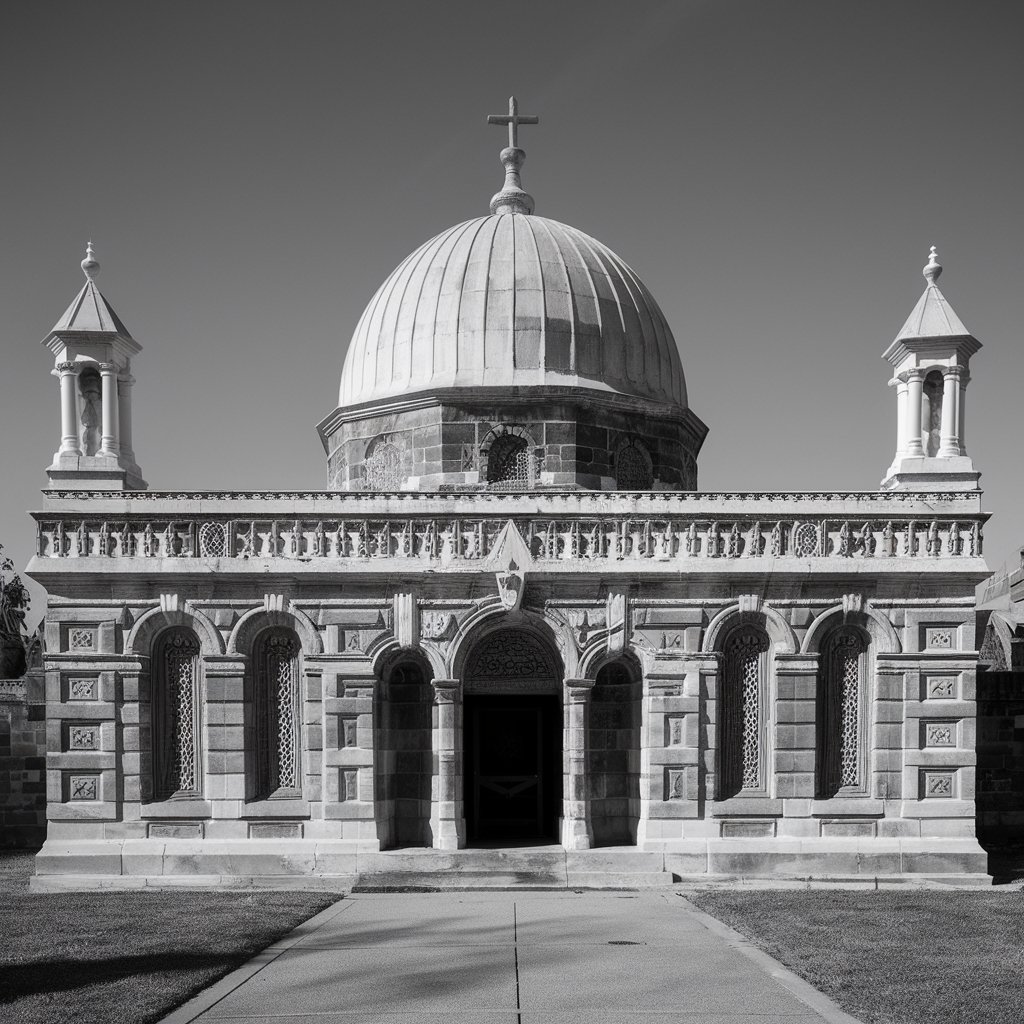
Beth David Cemetery stands as a place of remembrance, heritage, and continuity, reflecting generations of history, faith, and community values. More than a burial ground, Beth David Cemetery represents a deeply rooted cultural institution where memory, tradition, and identity are preserved with dignity. Known for its historical relevance and strong connection to Jewish communal life, the cemetery serves families across generations, offering a solemn space that honors both individual lives and collective legacy. Through its carefully maintained grounds, structured burial traditions, and lasting symbolic importance, Beth David Cemetery continues to hold a meaningful place within cultural and historical narratives.
Historical Background of Beth David Cemetery
The origins of Beth David Cemetery are closely tied to the growth and settlement patterns of Jewish communities seeking dedicated burial spaces aligned with religious law and tradition. Established during a period when community-based cemeteries were essential for preserving religious customs, Beth David Cemetery was founded to ensure proper burial rites, perpetual care, and respect for sacred traditions. Over time, it expanded to accommodate the needs of a growing population, reflecting demographic changes and evolving communal structures. Each section of the cemetery tells a story of migration, settlement, and resilience, making it an invaluable historical record carved in stone and landscape.
Religious and Cultural Significance
Beth David Cemetery holds profound religious significance, rooted in Jewish burial customs that emphasize respect for the deceased, simplicity, and eternal remembrance. The cemetery adheres to traditional practices such as ritual preparation, orientation of graves, and memorial observances that align with longstanding beliefs. Beyond religious practice, the site functions as a cultural archive, preserving surnames, inscriptions, and symbols that reflect linguistic, regional, and generational identities. Families visit not only to mourn but to connect with ancestry, reinforcing continuity between past, present, and future.
Cemetery Layout and Design
The physical design of Beth David Cemetery reflects both function and symbolism. Pathways are carefully planned to provide accessibility while maintaining a sense of tranquility and order. Sections are often organized by time periods, family plots, or communal affiliations, allowing visitors to navigate lineage and history with clarity. The use of natural elements such as trees, open lawns, and stone markers creates a serene environment that encourages reflection. Monument styles range from modest headstones to more elaborate memorials, each adhering to established guidelines that preserve visual harmony and respect religious standards.
Notable Burials and Memorials
One of the defining aspects of Beth David Cemetery is its collection of notable burials, representing individuals who contributed significantly to community life, business, education, and cultural development. These graves often serve as points of historical interest, attracting researchers, descendants, and visitors seeking to understand broader social narratives. Memorial inscriptions provide insight into values, occupations, and family connections, transforming the cemetery into a living historical document. Collectively, these memorials highlight the diverse contributions of those interred and reinforce the cemetery’s role as a guardian of communal memory.
Community Role and Generational Continuity
Beth David Cemetery functions as more than a final resting place; it plays an active role in sustaining community continuity. Through memorial services, anniversary observances, and educational visits, the cemetery remains integrated into communal life. Families return year after year to honor loved ones, strengthening intergenerational bonds and reinforcing shared identity. This ongoing engagement ensures that the cemetery remains a living space of remembrance rather than a static site, bridging generations through ritual and reflection.
Preservation and Maintenance Practices
The preservation of Beth David Cemetery is guided by a commitment to dignity, sustainability, and respect for tradition. Maintenance practices focus on protecting headstones, pathways, and landscaping while adhering to religious guidelines that limit alteration of graves. Professional caretakers and community organizations collaborate to ensure that the grounds remain well-kept and accessible. Preservation efforts also include documentation and record-keeping, safeguarding historical data for future generations. These practices ensure that the cemetery continues to serve its purpose with integrity and care.
Symbolism and Artistic Elements
Artistic and symbolic elements throughout Beth David Cemetery offer deeper layers of meaning. Common motifs such as stars, hands, candles, and Hebrew inscriptions convey religious roles, family heritage, and spiritual beliefs. These symbols provide a visual language that transcends time, allowing visitors to interpret stories without spoken words. The artistry found in stone carving and inscription reflects both personal expression and communal tradition, contributing to the cemetery’s cultural richness.
Visitation and Reflection
Visiting Beth David Cemetery is often an experience marked by quiet reflection and emotional connection. The environment encourages contemplation, offering a peaceful setting for honoring memory and processing loss. Visitors may come for personal remembrance, genealogical research, or cultural exploration. The cemetery’s layout and atmosphere support these purposes, making it a respectful and accessible place for all who seek connection with history and heritage.
Beth David Cemetery in Historical Research
For historians and genealogists, Beth David Cemetery serves as an invaluable research resource. Gravestones, burial records, and plot maps provide detailed information about family lineages, migration patterns, and social structures. Researchers often rely on cemeteries like Beth David to reconstruct community histories and understand broader demographic trends. This scholarly relevance further enhances the cemetery’s importance beyond its immediate function.
Conclusion
Beth David Cemetery stands as a testament to memory, faith, and continuity. Through its historical foundations, cultural significance, and ongoing role within the community, it remains a vital institution that honors the past while serving the present. The cemetery’s careful preservation, symbolic richness, and deep emotional resonance ensure that it continues to fulfill its purpose with dignity. As a place where individual lives intersect with collective history, Beth David Cemetery endures as a meaningful landmark of remembrance and cultural identity.