

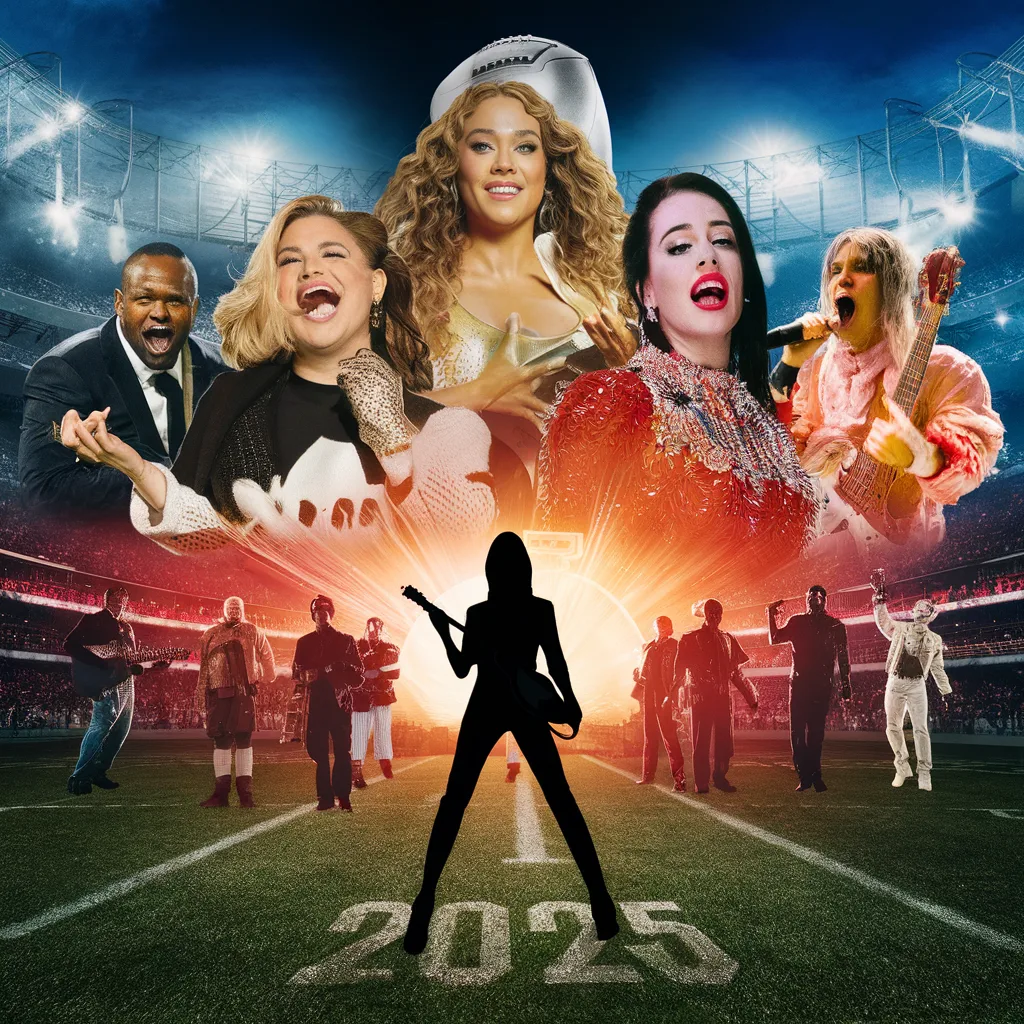
The Super Bowl Halftime Show is one of the most anticipated entertainment events in the world, blending the excitement of sports with the glamour of music and performance art. Every year, millions of viewers tune in not only for the championship game but also for the spectacle that unfolds during halftime. From legendary performances to groundbreaking stage designs, the halftime show has become a cultural phenomenon that transcends football. As the 2025 Super Bowl approaches, fans are already buzzing with speculation about who will headline the next show and how it will compare to the unforgettable performances of the past. This article explores the history, evolution, and cultural significance of the Super Bowl Halftime Show, along with predictions and expectations for the upcoming event.
The Origins and Evolution of the Super Bowl Halftime Show
The Super Bowl Halftime Show history dates back to the very first Super Bowl in 1967, when the entertainment consisted mainly of marching bands and local performers. In its early years, the halftime show was a modest affair, designed to provide light entertainment while fans grabbed refreshments. However, as the Super Bowl grew into a global spectacle, so did the ambition of its halftime performances.
The turning point came in 1993 when Michael Jackson took the stage at Super Bowl XXVII. His electrifying performance set a new standard for what the halftime show could be an elaborate, high-energy production that captivated audiences worldwide. Since then, the halftime show has featured some of the biggest names in music, including Beyoncé, Prince, Madonna, Shakira, Jennifer Lopez, and Rihanna. Each performance has pushed creative boundaries, incorporating cutting-edge technology, choreography, and visual effects to deliver unforgettable moments.
The Cultural Impact of the Super Bowl Halftime Show
The Super Bowl Halftime Show is more than just a musical performance it’s a reflection of popular culture and a platform for artistic expression. Over the years, it has become a stage where artists make bold statements, celebrate diversity, and showcase innovation. The show often sparks conversations that extend far beyond the football field, influencing fashion, social media trends, and even political discourse.
For many artists, performing at the Super Bowl is a career-defining moment. The global audience, which often exceeds 100 million viewers, provides unparalleled exposure. Iconic moments such as Prince performing “Purple Rain” in the rain, Beyoncé’s powerful 2013 performance, and Shakira and Jennifer Lopez’s dynamic 2020 collaboration have become part of pop culture history. These performances not only entertain but also inspire, uniting people through music and creativity.
Behind the Scenes: Production and Planning
The Super Bowl Halftime Show production is a massive undertaking that requires months of planning and coordination. The stage must be assembled and dismantled within minutes, often involving hundreds of crew members working in perfect synchronization. Every detail from lighting and sound to choreography and camera angles is meticulously planned to ensure a flawless live broadcast.
The NFL collaborates with major production companies and sponsors to bring the show to life. Artists typically perform for free, viewing the opportunity as a prestigious platform rather than a paid gig. The exposure often leads to a surge in music sales, streaming numbers, and social media engagement. The halftime show’s production value continues to rise each year, with advanced technology such as augmented reality, drone displays, and immersive lighting effects enhancing the visual experience.
Memorable Super Bowl Halftime Show Performances
Throughout its history, the Super Bowl Halftime Show highlights have included some of the most iconic moments in live entertainment. Michael Jackson’s 1993 performance remains a benchmark for its energy and showmanship. Prince’s 2007 performance, featuring a rain-soaked rendition of “Purple Rain,” is often hailed as one of the greatest live performances ever.
In 2013, Beyoncé delivered a powerful show that included a Destiny’s Child reunion, while Lady Gaga’s 2017 performance combined theatrical flair with vocal excellence. The 2020 halftime show featuring Shakira and Jennifer Lopez celebrated Latin culture and female empowerment, while Rihanna’s 2023 performance marked her long-awaited return to the stage with a visually stunning production. Each of these performances showcased the diversity and creativity that define the Super Bowl Halftime Show.
Super Bowl Halftime Show 2025: What to Expect
As anticipation builds for the Super Bowl Halftime Show 2025, fans are eager to know who will headline the event and what surprises are in store. While the NFL has not yet announced the official lineup, speculation is rampant. Many fans hope to see a mix of legendary artists and rising stars, reflecting the evolving landscape of the music industry.
The 2025 show is expected to continue the trend of high-concept performances, incorporating advanced stage technology and immersive visuals. Given the success of recent shows, producers may also focus on themes of unity, empowerment, and cultural celebration. Social media will undoubtedly play a major role, with fans sharing reactions and highlights in real time, amplifying the show’s global reach.
The Role of Social Media and Fan Reactions
In the digital age, the Super Bowl Halftime Show reactions have become an integral part of the experience. Platforms like X (formerly Twitter), Instagram, and TikTok light up with live commentary, memes, and fan videos during and after the performance. Viral moments often emerge within minutes, shaping public perception and driving online engagement.
Social media has also given fans a voice in influencing future halftime shows. Discussions about potential performers, stage designs, and themes begin months in advance, creating a sense of community and excitement. The halftime show’s ability to dominate online conversations underscores its status as one of the most powerful cultural events of the year.
The Business and Branding Power of the Halftime Show
The Super Bowl Halftime Show is not only an entertainment spectacle but also a marketing powerhouse. Brands compete for advertising slots during the broadcast, and the halftime show itself often features subtle product placements or sponsorships. The exposure generated by the event can significantly boost an artist’s career and brand partnerships.
For the NFL, the halftime show serves as a bridge between sports and entertainment, attracting a broader audience that includes non-football fans. The combination of athletic excellence and musical artistry makes the Super Bowl a truly universal event, appealing to viewers of all ages and backgrounds.
Conclusion
The Super Bowl Halftime Show stands as a testament to the power of music, creativity, and cultural unity. What began as a simple intermission has evolved into one of the most-watched and celebrated live performances in the world. Each year, the show pushes artistic boundaries, delivering moments that captivate audiences and define generations.
As the 2025 Super Bowl approaches, excitement continues to build around who will take the stage and how they will leave their mark on history. Whether it’s through groundbreaking visuals, emotional performances, or unforgettable collaborations, the halftime show remains a symbol of entertainment excellence and global connection.
FAQs
1. What is the Super Bowl Halftime Show?
The Super Bowl Halftime Show is a live musical performance that takes place during the halftime break of the NFL’s championship game, featuring some of the biggest artists in the world.
2. Who is performing at the Super Bowl Halftime Show 2025?
The official lineup has not yet been announced, but fans are eagerly awaiting the reveal, with speculation surrounding several major artists.
3. How long does the Super Bowl Halftime Show last?
The halftime show typically lasts around 12 to 15 minutes, though preparation and stage setup require months of planning.
4. Do artists get paid for performing at the Super Bowl Halftime Show?
No, artists do not receive direct payment for their performance, but the exposure often leads to increased music sales and global recognition.
5. What are some of the most famous Super Bowl Halftime Show performances?
Iconic performances include Michael Jackson (1993), Prince (2007), Beyoncé (2013), Lady Gaga (2017), Shakira and Jennifer Lopez (2020), and Rihanna (2023).