

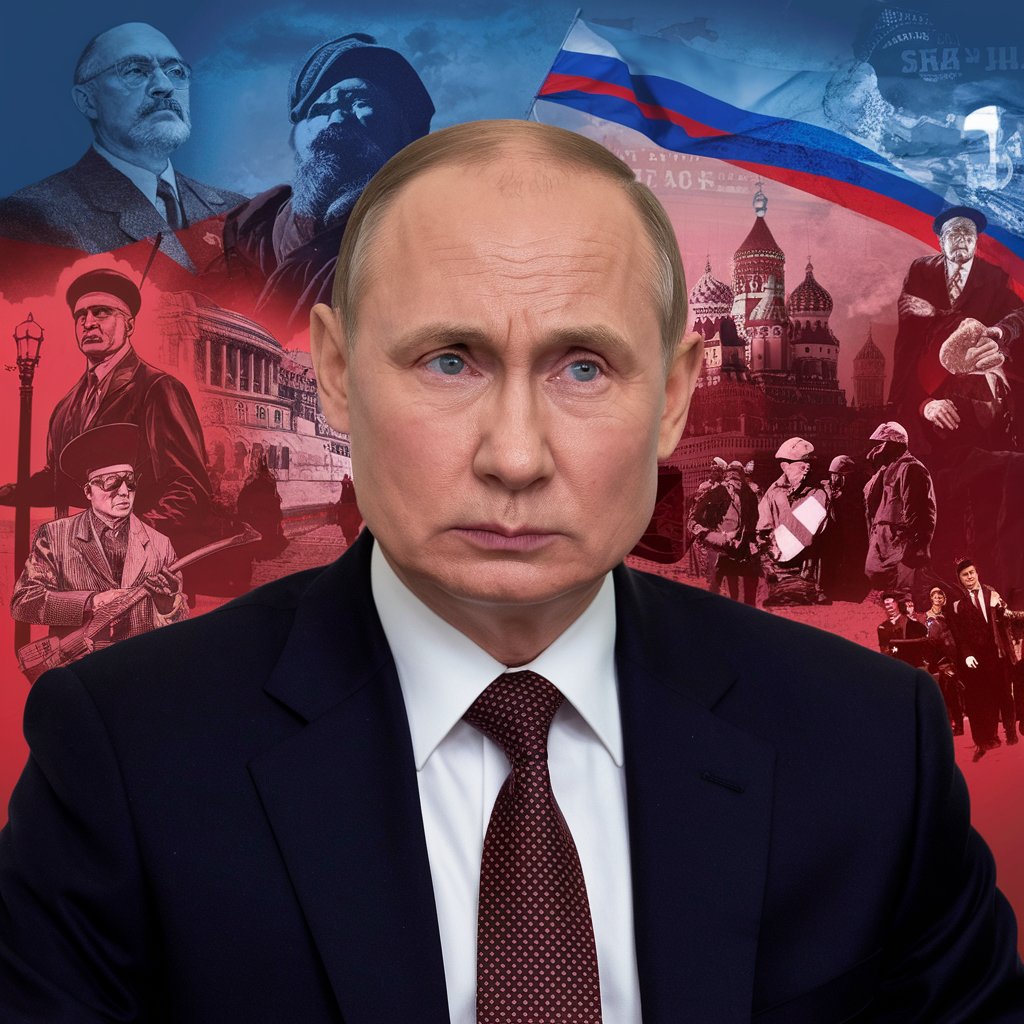
Vladimir Spiridonovich Putin is a historically significant figure primarily known for his role as a Soviet citizen whose life was shaped by war, hardship, and the realities of twentieth-century Russia. His name is widely recognized due to his familial connection to modern Russian political history, yet his own life reflects the experience of an ordinary man navigating extraordinary national circumstances. Understanding Vladimir Spiridonovich Putin provides valuable insight into the social, economic, and historical environment of the Soviet Union during some of its most turbulent decades.
Early Life and Family Origins
Vladimir Spiridonovich Putin was born into a working-class Russian family at a time when the country was undergoing profound political and social transformation. His early life unfolded against the backdrop of post-imperial Russia, where economic hardship, political upheaval, and uncertainty were common realities. Raised in modest conditions, he experienced the discipline and resilience typical of families striving to survive during periods of national instability. These formative years instilled values of endurance, responsibility, and perseverance, which later defined his approach to work and family life.
Life During the Second World War
One of the most defining chapters in the life of Vladimir Spiridonovich Putin was his experience during the Second World War. Like millions of Soviet citizens, he was directly affected by the devastating impact of the conflict. He served in the Soviet military and was wounded during combat, carrying the physical and emotional consequences of war long after it ended. The war years exposed him to loss, scarcity, and extreme hardship, experiences that were shared by an entire generation and became deeply embedded in the collective memory of the Soviet people.
Post-War Struggles and Civilian Life
Following the end of the war, Vladimir Spiridonovich Putin returned to civilian life during a period marked by reconstruction and economic difficulty. The post-war Soviet Union demanded resilience from its citizens, as cities were rebuilt and industries restored under strict state control. He worked in physically demanding occupations, reflecting the labor-focused economy of the time. Daily life required discipline, patience, and adaptation, and his efforts were directed toward supporting his family and maintaining stability amid limited resources.
Family Life and Personal Values
Family played a central role in the life of Vladimir Spiridonovich Putin. He valued structure, discipline, and responsibility, qualities shaped by his wartime experiences and working-class background. As a husband and father, he emphasized order, respect, and perseverance, principles that were common among Soviet households striving for security in uncertain times. His personal values were rooted in practicality rather than ideology, reflecting the mindset of individuals focused on survival and continuity rather than public recognition.
Connection to Soviet Society and Ideology
Vladimir Spiridonovich Putin lived most of his life within the framework of the Soviet system, which shaped employment, social mobility, and personal opportunity. While not a political figure himself, his daily life was influenced by state structures, collective labor norms, and centralized authority. His experience mirrors that of millions who adapted to the system through conformity and hard work, contributing quietly to the functioning of Soviet society without seeking prominence or influence.
Health, Aging, and Later Years
The later years of Vladimir Spiridonovich Putin were marked by the lasting effects of wartime injuries and the physical toll of manual labor. Like many veterans, he carried long-term health challenges that reflected the sacrifices made during military service. Aging in a society undergoing gradual change, he witnessed shifts in economic conditions and social attitudes while maintaining the values formed earlier in life. His later years were characterized by quiet endurance rather than public presence.
Historical Significance and Legacy
The historical importance of Vladimir Spiridonovich Putin lies not in political authority but in representation. His life embodies the experience of an ordinary Soviet citizen shaped by war, labor, and family responsibility. Through his story, broader themes of sacrifice, resilience, and continuity within Russian history become visible. He stands as an example of how individual lives intersect with national events, contributing silently to the larger historical narrative.
Conclusion
Vladimir Spiridonovich Putin’s life offers a grounded perspective on twentieth-century Russian history. Through war, labor, and family life, he exemplified endurance amid adversity and commitment to responsibility over recognition. His story enriches historical understanding by highlighting the lived experiences behind major events, reminding us that history is shaped not only by leaders and institutions but also by ordinary individuals whose resilience sustains nations through their most challenging periods.