

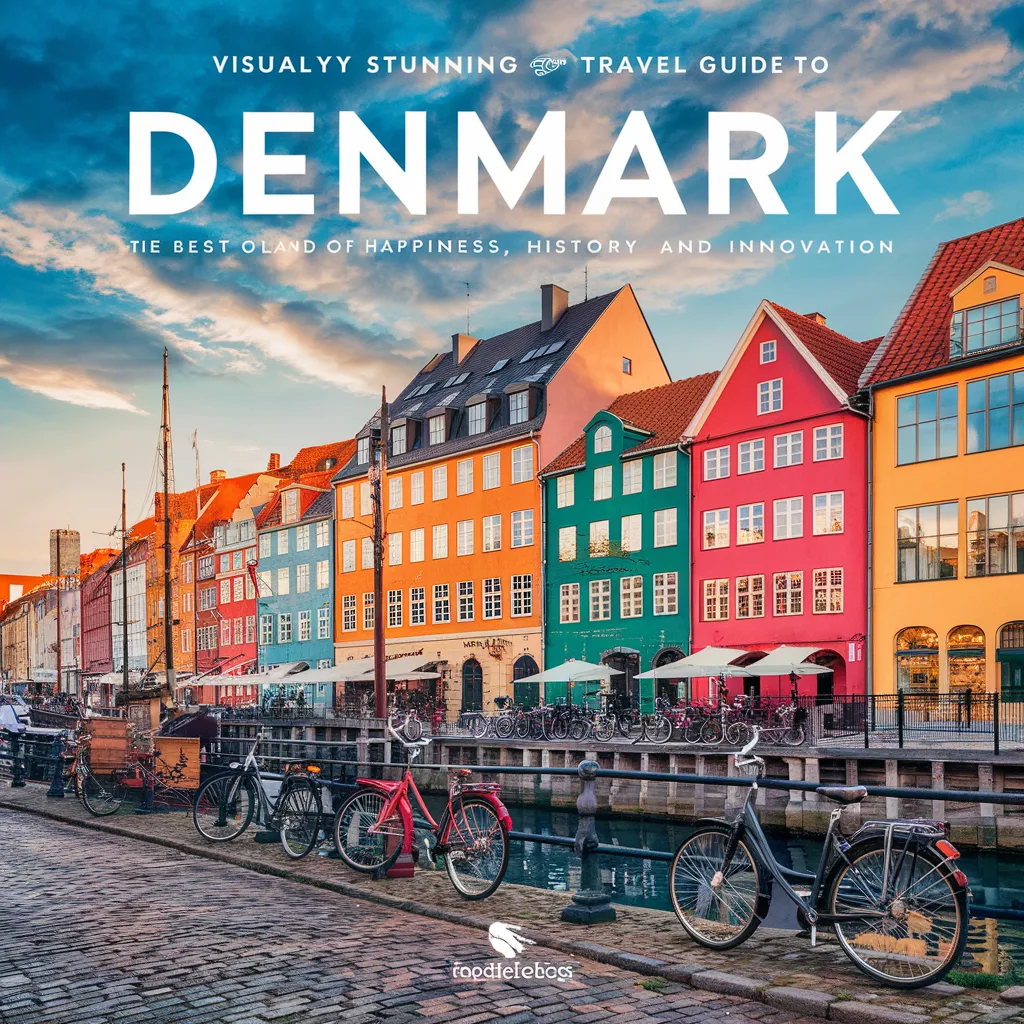
Nestled in Northern Europe, Denmark is a country that perfectly blends ancient history with modern innovation. Known for its high quality of life, sustainable living, and rich cultural heritage, Denmark consistently ranks among the happiest nations in the world. From the colorful streets of Copenhagen to the serene coastlines of Jutland, Denmark offers a unique mix of natural beauty, architectural brilliance, and social progress. This Scandinavian gem is not only a travel destination but also a model of environmental responsibility, education, and design excellence. This article explores everything about Denmark its history, culture, economy, tourism, and why it continues to inspire the world.
A Brief History of Denmark
The history of Denmark stretches back thousands of years, with roots in the Viking Age when Danish seafarers explored and conquered parts of Europe. The Vikings, known for their craftsmanship and navigation skills, established Denmark’s early identity as a powerful maritime nation. Over the centuries, Denmark evolved from a collection of small kingdoms into a unified state. The Middle Ages saw the rise of the Danish monarchy, which remains one of the oldest in the world. In the modern era, Denmark transitioned from an agricultural society to an industrial and technological powerhouse. Today, it stands as a constitutional monarchy with a strong democratic foundation, symbolizing stability and progress.
Geography and Climate of Denmark
Denmark is located in Northern Europe and consists of the Jutland Peninsula and over 400 islands, of which around 70 are inhabited. Its geography is characterized by rolling plains, sandy beaches, and picturesque coastlines. The country’s proximity to the North Sea and the Baltic Sea gives it a maritime climate, with mild winters and cool summers. The landscape is dotted with wind turbines, reflecting Denmark’s commitment to renewable energy. Despite its small size, Denmark’s natural beauty is diverse, offering everything from coastal cliffs to lush forests and charming countryside villages.
The Danish Economy and Innovation
Denmark boasts one of the most advanced and stable economies in the world. It is known for its strong welfare system, low unemployment rate, and high standard of living. The Danish economy is driven by sectors such as renewable energy, pharmaceuticals, design, and technology. Companies like LEGO, Maersk, and Vestas have become global leaders in their respective industries. Denmark’s focus on sustainability and innovation has made it a pioneer in green technology, with ambitious goals to become carbon-neutral by 2050. The country’s economic model, often referred to as the “Nordic model,” combines free-market capitalism with a comprehensive welfare state, ensuring both prosperity and social equality.
Denmark’s Culture and Lifestyle
The culture of Denmark is deeply rooted in simplicity, equality, and community. One of the most defining aspects of Danish culture is the concept of “hygge”, which translates to coziness and contentment. It reflects the Danish approach to life—finding joy in simple pleasures, whether it’s sharing a meal with friends or enjoying a quiet evening by candlelight. Denmark is also renowned for its contributions to art, architecture, and design. Danish design is characterized by minimalism, functionality, and elegance, seen in everything from furniture to urban planning. The country’s cultural scene thrives with museums, theaters, and festivals celebrating both traditional and contemporary art forms.
Education and Social Welfare in Denmark
Denmark’s education system is among the best in the world, emphasizing creativity, critical thinking, and equality. Education is free for all citizens, including higher education, which reflects the country’s commitment to accessibility and lifelong learning. The welfare system ensures that healthcare, childcare, and social services are available to everyone, contributing to Denmark’s reputation as a fair and inclusive society. This strong social infrastructure not only supports citizens but also fosters a sense of trust and community that defines Danish life.
Tourism in Denmark: Top Attractions and Experiences
Denmark tourism offers a perfect blend of history, nature, and modernity. The capital city, Copenhagen, is a hub of culture and innovation, home to landmarks such as the Little Mermaid statue, Tivoli Gardens, and the Nyhavn harbor with its colorful buildings. Visitors can explore the Rosenborg Castle, the National Museum of Denmark, and the futuristic CopenHill, a ski slope built on top of a waste-to-energy plant. Beyond Copenhagen, the city of Aarhus offers a vibrant arts scene, while Odense, the birthplace of Hans Christian Andersen, celebrates the legacy of Denmark’s most famous storyteller. Nature lovers can visit the Wadden Sea National Park, a UNESCO World Heritage Site, or the scenic island of Bornholm, known for its cliffs and beaches.
Why Denmark Is the Happiest Country in the World
Denmark consistently ranks at the top of the World Happiness Report, and this is no coincidence. The country’s happiness is rooted in social trust, equality, and a strong sense of community. Danes enjoy a healthy work-life balance, supported by flexible working hours and generous parental leave policies. The government’s focus on welfare, education, and healthcare ensures that citizens feel secure and valued. Moreover, the Danish emphasis on environmental sustainability and civic responsibility fosters a collective sense of purpose. The combination of economic stability, social equality, and cultural contentment makes Denmark a model for happiness and well-being.
SEO Keywords and Their Importance
To achieve top ranking on Google, it is crucial to integrate relevant keywords naturally throughout the article. The most effective keywords for this topic include:
- Denmark
- Denmark travel guide
- Denmark history
- Denmark tourism
- Denmark culture
- Denmark facts
- Why Denmark is the happiest country
- Denmark lifestyle
These keywords align with common search queries and help search engines identify the article’s relevance to users seeking information about Denmark. Proper keyword placement in headings, meta descriptions, and throughout the text enhances visibility and drives organic traffic.
Conclusion
Denmark is a country that beautifully balances tradition and modernity, offering lessons in sustainability, equality, and happiness. From its Viking heritage to its cutting-edge innovations, Denmark continues to inspire the world with its progressive values and cultural richness. Its people’s commitment to community, environmental responsibility, and quality of life makes it a shining example of how a small nation can have a global impact. Whether exploring its historic cities, enjoying its natural landscapes, or experiencing the warmth of Danish hospitality, visitors and residents alike find that Denmark truly embodies the spirit of harmony and well-being.
FAQs
1. Where is Denmark located?
Denmark is located in Northern Europe, bordered by Germany to the south and surrounded by the North Sea and the Baltic Sea.
2. What is Denmark famous for?
Denmark is famous for its Viking history, modern design, sustainable living, and being one of the happiest countries in the world.
3. What is the capital of Denmark?
The capital of Denmark is Copenhagen, known for its architecture, culture, and innovative urban design.
4. What language is spoken in Denmark?
The official language is Danish, but English is widely spoken throughout the country.
5. What currency is used in Denmark?
Denmark uses the Danish Krone (DKK) as its official currency.
6. Why is Denmark considered the happiest country?
Denmark’s happiness is attributed to its strong welfare system, social equality, work-life balance, and sense of community.
7. What are the top tourist attractions in Denmark?
Popular attractions include Tivoli Gardens, Nyhavn, the Little Mermaid statue, Legoland Billund, and the Wadden Sea National Park.
8. Is Denmark an expensive country to visit?
Yes, Denmark can be relatively expensive, but its high quality of services, safety, and cleanliness make it worth the cost.
9. What is “hygge” in Danish culture?
“Hygge” is a Danish concept that means coziness, comfort, and enjoying life’s simple pleasures, often shared with loved ones.
10. What makes Denmark unique?
Denmark’s combination of historical depth, modern innovation, environmental leadership, and social harmony makes it one of the most unique and admired countries in the world.