

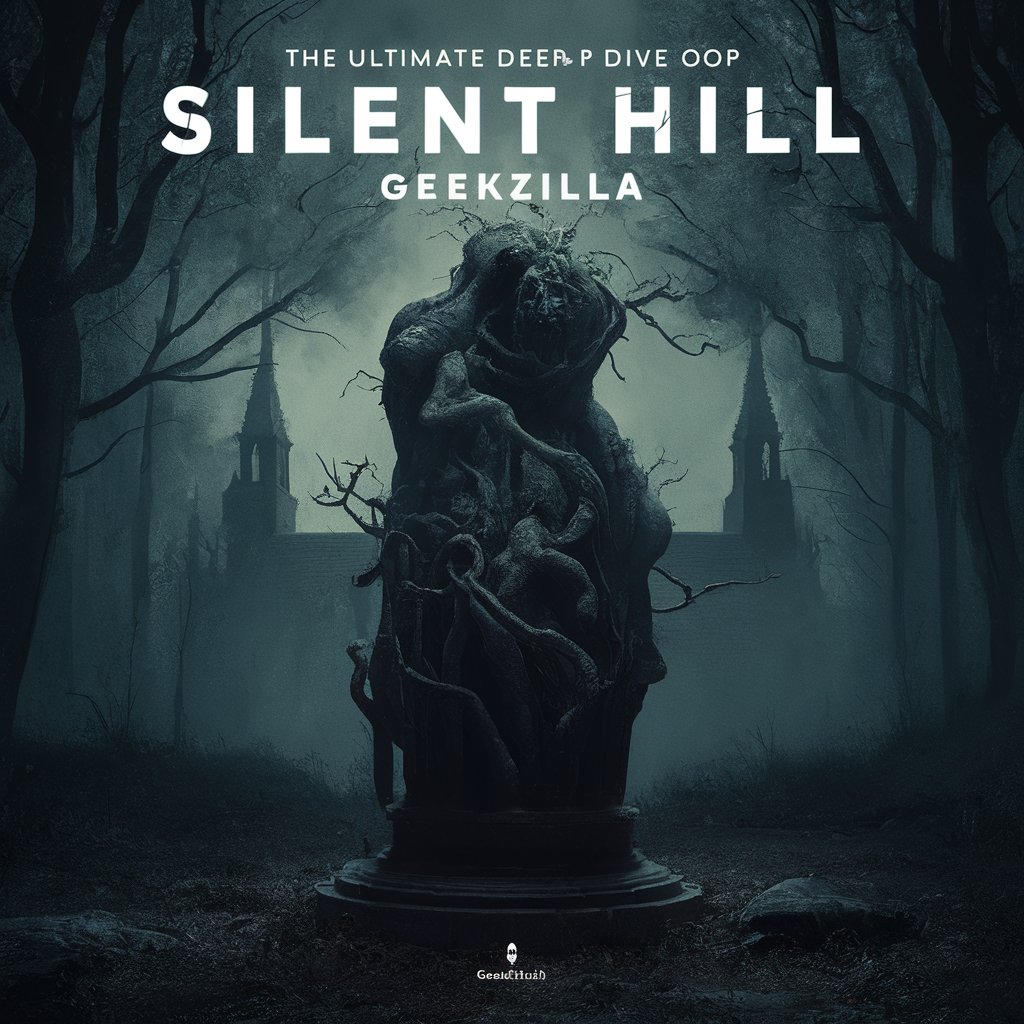
The Guía Silent Hill Geekzilla is more than a simple walkthrough; it is a comprehensive exploration of one of the most influential horror franchises in gaming history. Silent Hill stands apart from traditional survival horror by focusing on psychological fear, emotional storytelling, and symbolic world-building rather than simple jump scares. This guide is designed for players and fans who want to fully understand the atmosphere, hidden meanings, and gameplay mechanics that define Silent Hill. Through detailed explanations and structured insights, we uncover why Silent Hill continues to resonate with audiences years after its release.
Understanding the World of Silent Hill
Silent Hill is not just a town; it is a living, breathing manifestation of fear, guilt, and subconscious trauma. The fog-covered streets, abandoned buildings, and shifting realities reflect the inner struggles of the characters who enter it. In the Guía Silent Hill Geekzilla, we explore how the town adapts to each protagonist, creating a personalized nightmare shaped by memory and emotion. This dynamic environment is a key element that separates Silent Hill from other horror games, making every journey through the town deeply personal and unsettling.
Core Gameplay Mechanics Explained
One of the most important aspects covered in the Guía Silent Hill Geekzilla is gameplay mechanics. Silent Hill emphasizes limited resources, awkward combat, and exploration over action. This deliberate design forces players to feel vulnerable and cautious at all times. Weapons are scarce, enemies are unpredictable, and the radio static serves as both a warning and a source of anxiety. These mechanics work together to maintain constant tension, ensuring that fear comes from uncertainty rather than overwhelming force.
Psychological Horror and Symbolism
Psychological horror is the heart of Silent Hill, and the Guía Silent Hill Geekzilla dedicates special attention to its symbolism. Monsters are not random creations; they represent guilt, repression, and psychological pain. Environments shift between reality and the Otherworld, symbolizing mental collapse or confrontation with truth. Understanding these symbolic elements adds depth to the experience, transforming Silent Hill from a horror game into a layered psychological narrative that invites interpretation and discussion.
Key Characters and Their Inner Struggles
Silent Hill’s characters are defined by their emotional complexity rather than heroic traits. Each protagonist enters the town carrying personal trauma, and the town responds accordingly. The Guía Silent Hill Geekzilla examines how characters’ fears and regrets shape their journey. Relationships, memories, and unresolved emotions influence both the story progression and the endings. This character-driven approach creates a powerful emotional connection between the player and the narrative.
Multiple Endings and Player Choices
A defining feature of Silent Hill is its multiple endings, which reflect the player’s actions and decisions. The Guía Silent Hill Geekzilla explains how seemingly minor choices—such as healing frequency, exploration habits, and interactions with other characters—can dramatically change the outcome. These endings encourage replayability and reinforce the idea that Silent Hill responds to the player’s behavior, making each playthrough a unique psychological experience.
Sound Design and Atmospheric Tension
Sound plays a crucial role in Silent Hill’s horror. Instead of traditional music, the game relies on industrial noises, distant sirens, and oppressive silence to create fear. The Guía Silent Hill Geekzilla highlights how sound design manipulates player emotions, often making quiet moments more terrifying than enemy encounters. This audio approach immerses players in a constant state of unease, reinforcing the game’s psychological intensity.
Combat Strategy and Survival Tips
While combat is not the focus of Silent Hill, survival requires careful strategy. The Guía Silent Hill Geekzilla emphasizes avoidance, resource management, and environmental awareness. Players are encouraged to choose when to fight and when to flee, conserving ammunition and health items for critical moments. Mastering these survival techniques enhances immersion and reinforces the feeling of vulnerability that defines the series.
Legacy and Cultural Impact of Silent Hill
Silent Hill’s influence extends far beyond gaming. Its storytelling, atmosphere, and symbolic horror have inspired films, art, and psychological narratives across multiple media. The Guía Silent Hill Geekzilla explores how the franchise reshaped horror storytelling, proving that fear can be subtle, emotional, and intellectually engaging. Its lasting legacy continues to inspire developers and fans who seek deeper meaning in interactive entertainment.
Conclusion
The Guía Silent Hill Geekzilla serves as an essential companion for anyone looking to fully experience and understand Silent Hill. By examining gameplay mechanics, psychological symbolism, character development, and atmospheric design, this guide reveals why Silent Hill remains a landmark in horror gaming. It is not just a game to be played, but an experience to be analyzed, felt, and remembered.