

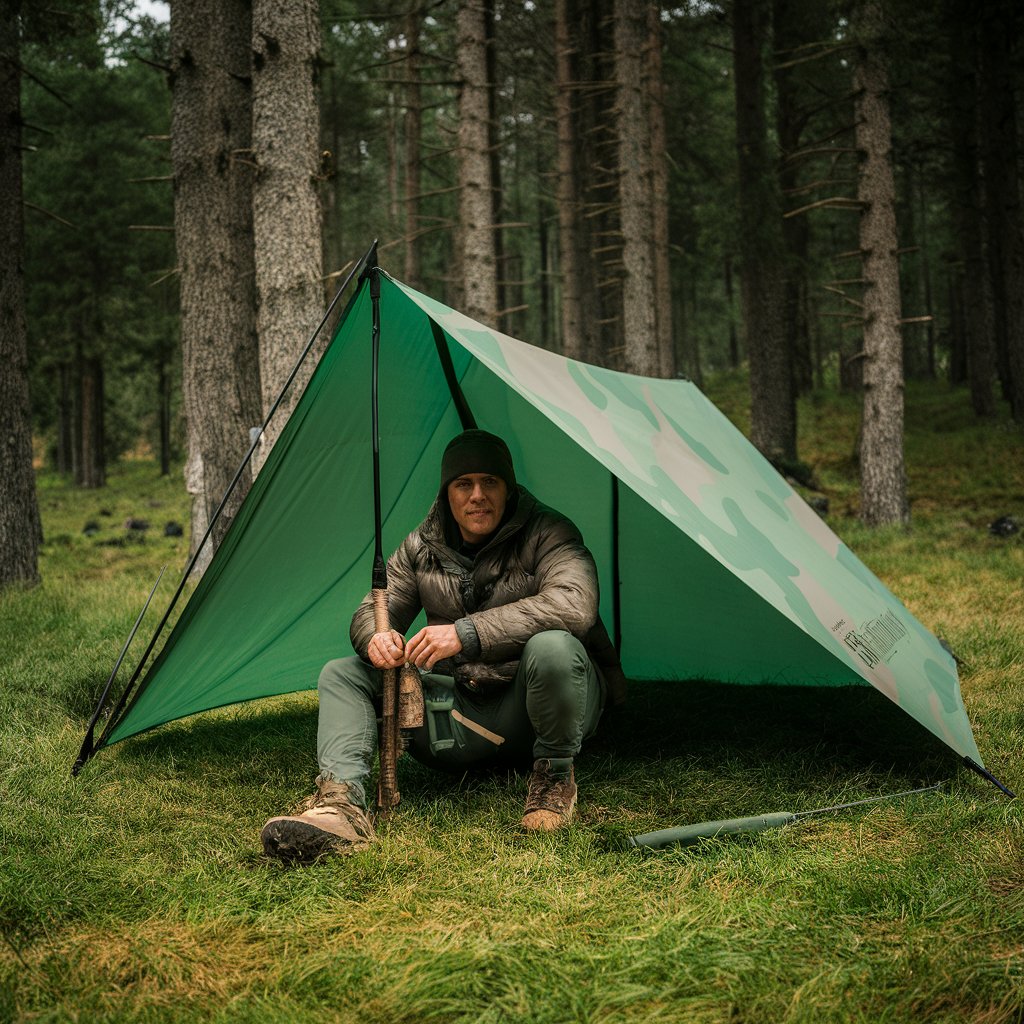
Tarnplanen, commonly known as camouflage tarps, represent one of the most versatile and essential tools for outdoor enthusiasts, survivalists, military professionals, and nature-based workers. Designed to blend seamlessly into natural environments, tarnplanen offer reliable protection, concealment, and adaptability across a wide range of scenarios. We explore tarnplanen as a multifunctional solution that combines durability, weather resistance, and strategic camouflage, making them indispensable in both recreational and professional contexts.
What Tarnplanen Are and Why They Matter
Tarnplanen are engineered sheets made from robust materials such as reinforced polyester, ripstop nylon, or polyethylene, printed or woven with camouflage patterns. These patterns are not merely aesthetic; they are carefully designed to disrupt visual outlines and match woodland, desert, snow, or urban environments. We recognize tarnplanen as critical assets for shelter construction, equipment protection, and stealth operations, especially where visibility reduction and environmental integration are required.
Materials and Construction Quality of Tarnplanen
The performance of tarnplanen depends heavily on material selection and manufacturing techniques. High-quality tarnplanen utilize ripstop fabrics that prevent tearing and extend lifespan under harsh conditions. Waterproof coatings, UV-resistant layers, and mildew-resistant treatments ensure reliability during prolonged outdoor exposure. Reinforced eyelets, double-stitched hems, and load-bearing edges enhance structural integrity, allowing tarnplanen to withstand strong winds, heavy rain, and repeated use without degradation.
Camouflage Patterns and Environmental Adaptation
One of the defining strengths of tarnplanen lies in their diverse camouflage patterns. Woodland patterns blend with forests and grassy terrain, while desert patterns harmonize with arid landscapes. Snow camouflage supports winter operations, and urban camouflage adapts to concrete-heavy environments. We emphasize that selecting the correct pattern is essential for maximizing concealment and operational effectiveness, whether for wildlife observation, hunting, or tactical deployment.
Primary Uses of Tarnplanen in Outdoor Activities
Tarnplanen serve a wide range of outdoor purposes. Campers and hikers use them as lightweight shelters, ground covers, or rain flies. Survivalists rely on tarnplanen to construct emergency bivouacs, signal covers, or windbreaks. Hunters and wildlife photographers benefit from the concealment properties that allow close-range observation without disturbing natural behavior. We highlight tarnplanen as a single solution capable of replacing multiple pieces of equipment while reducing pack weight and complexity.
Tactical and Military Applications of Tarnplanen
In tactical and military environments, tarnplanen play a critical role in concealment and logistics. They are used to mask vehicles, cover supply caches, and create temporary observation posts. Advanced models feature infrared reduction properties, minimizing detection by night-vision and thermal devices. We view tarnplanen as force multipliers that enhance operational security, reduce visual signatures, and support rapid deployment in dynamic environments.
Weather Protection and Environmental Resistance
Tarnplanen provide reliable protection against rain, wind, sun, and snow. Waterproof ratings, sealed seams, and angled setup configurations allow efficient water runoff and thermal regulation. UV-resistant coatings prevent material degradation and protect equipment or personnel underneath. We consider tarnplanen essential for maintaining comfort and safety during unpredictable weather, especially in remote or exposed locations where shelter options are limited.
Sizes, Weights, and Portability Options
Modern tarnplanen are available in a wide range of sizes and weights to meet specific needs. Compact models fold into small packs suitable for ultralight trekking, while large-format tarnplanen cover vehicles or group shelters. Lightweight materials ensure easy transport without sacrificing durability. We recommend evaluating coverage requirements, carrying capacity, and deployment speed when selecting the ideal tarnplane size.
Setup Configurations and Practical Deployment
The adaptability of tarnplanen is reflected in their numerous setup configurations. They can be pitched as A-frame shelters, lean-tos, hammocks covers, or overhead canopies. Multiple attachment points enable creative rigging using ropes, poles, or natural anchors. We stress the importance of mastering setup techniques to maximize efficiency, stability, and concealment in varied terrain and weather conditions.
Maintenance and Longevity of Tarnplanen
Proper care significantly extends the life of tarnplanen. Cleaning with mild detergents, thorough drying before storage, and avoiding prolonged exposure to direct sunlight preserve fabric integrity. Regular inspection of seams, eyelets, and coatings ensures continued performance. We treat tarnplanen as long-term investments that reward responsible maintenance with years of dependable service.
Choosing the Right Tarnplane for Your Needs
Selecting the appropriate tarnplane involves assessing intended use, environmental conditions, and quality standards. Features such as waterproof ratings, camouflage type, weight, and reinforcement should align with specific operational requirements. We prioritize products that balance durability, adaptability, and concealment without unnecessary complexity, ensuring practical value in real-world scenarios.
Future Innovations in Tarnplanen Design
Advancements in textile technology continue to improve tarnplanen. Innovations include lighter composite fabrics, enhanced thermal masking, and eco-friendly coatings. Modular designs with integrated accessories further expand functionality. We observe a growing trend toward multifunctional tarnplanen that combine shelter, concealment, and protection in a single, highly efficient system.
Conclusion
Tarnplanen stand as essential tools for anyone requiring reliable shelter, concealment, and environmental protection. Their versatility, durability, and strategic design make them indispensable across outdoor recreation, survival preparation, and tactical operations. We recognize tarnplanen as practical solutions engineered to perform under pressure, delivering consistent results in diverse and demanding conditions.